Maca and ashwagandha: what the human trials actually found
Quick answer
Maca and ashwagandha are the two best-studied botanicals in men’s vitality formulas, and they were studied for different things. Maca’s small randomised trials measured self-reported sexual desire and found improvement without any change in serum testosterone. Ashwagandha’s much larger literature measured perceived stress, anxiety and sleep, with hormone effects a secondary and less consistent finding.
These are the two ingredients in a men’s formula most likely to have real human data behind them. This is what that data actually measured, how big the trials were, what doses they used, and where the honest limits sit.
What maca and ashwagandha are
Maca (Lepidium meyenii), known in Spanish-speaking markets as maca peruana, is a cruciferous root grown above 4,000 metres in the Peruvian Andes and eaten there as a staple food. Ashwagandha (Withania somnifera) is a root used in Ayurvedic practice and classified in the modern literature as an adaptogen — a plant studied for its effect on the stress response rather than on any single organ.
What the maca trials measured
The single most-cited maca trial randomised healthy adult men to maca or placebo for twelve weeks and measured self-reported sexual desire. Desire scores improved from week eight onward, and the authors reported explicitly that this happened without any change in serum testosterone or oestradiol (Gonzales et al., Andrologia, 2002). That second half is the part marketing leaves out, and it is the more interesting finding: whatever maca does, the trial evidence says it does not do it by raising testosterone.
A systematic review that pooled the randomised maca trials for sexual function concluded that the evidence was suggestive but limited by small sample sizes and methodological weaknesses (Shin et al., BMC Complement Altern Med, 2010). That remains a fair summary. Maca is not an empty ingredient; it is a thinly evidenced one.
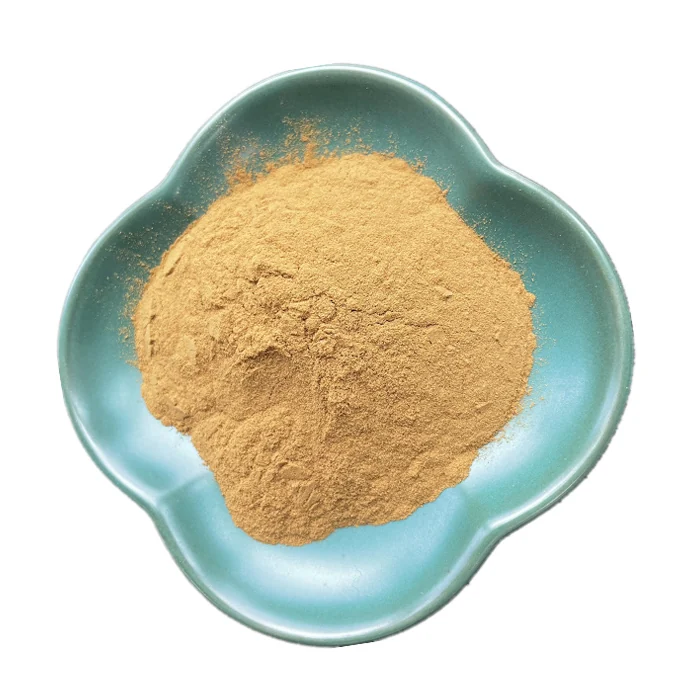
What the ashwagandha trials measured
Ashwagandha has the deepest evidence base of any botanical in this category, and almost all of it concerns stress. A frequently cited randomised, double-blind, placebo-controlled trial gave adults a high-concentration full-spectrum root extract for 60 days and reported reductions in stress and anxiety scores against placebo (Chandrasekhar et al., Indian J Psychol Med, 2012). A meta-analysis of ashwagandha and sleep found a small but statistically significant improvement in sleep measures (Cheah et al., PLoS One, 2021), and a more recent systematic review of anxiety and insomnia reached a similar cautious conclusion while flagging the small size and short duration of the underlying trials (Fatima et al., Hum Psychopharmacol, 2024).
The hormone question has been asked directly. A small randomised crossover study in aging, overweight men reported modest increases in testosterone and DHEA-S alongside improvements in fatigue and vitality over eight weeks (Lopresti et al., Am J Mens Health, 2019). It involved around twenty men. That is a signal worth following, not a settled result, and it is a long way from the claims made for ashwagandha in advertising.
Side by side
| Maca | Ashwagandha | |
|---|---|---|
| Best-evidenced outcome | Self-reported sexual desire | Perceived stress, anxiety, sleep |
| Effect on testosterone in trials | None reported | Modest, inconsistent, small samples |
| Typical trial length | 8 to 12 weeks | 8 to 12 weeks |
| Evidence quality | Few small RCTs, methodological limits | Larger body, still mostly small and short trials |
| Main safety concern | Few reported; food history is long | Liver injury case reports; thyroid effects |
The dose problem
Trials use specific, standardised preparations at specific amounts — a defined root extract at a stated milligram dose, once or twice daily, for a defined number of weeks. Most consumer formulas do not tell you enough to make that comparison. The MaxForce label is a case in point: it names ashwagandha and maca extract among five ingredients and prints a combined 82 mg per serving, equivalent to approximately 567 mg of dry powders, but no per-ingredient split was published on the pages we reviewed. Without the split, no honest comparison with any trial above is possible. How to read that kind of panel is covered in what a men’s vitality label must tell you, and the same dose arithmetic applied to a third botanical is worked through in what the tongkat ali research actually shows.
What this evidence does not show
It does not show that either plant treats erectile dysfunction, raises testosterone into a clinically meaningful range, or improves fertility. It does not show that combining them multiplies anything. And it does not transfer to a finished product: a trial of a standardised extract is evidence about that extract at that dose, not about a gummy containing an undisclosed fraction of it. The general version of that argument is in do testosterone boosters actually work.
Safety, honestly
Ashwagandha is the one to take seriously here. A case series and literature review documented drug-induced liver injury associated with ashwagandha use (Philips et al., Hepatol Commun, 2023), and a scoping review has since collected the reported cases and their clinical characteristics (McIntyre et al., Cureus, 2026). Thyrotoxicosis following ashwagandha use has also been reported (van der Hooft et al., Ned Tijdschr Geneeskd, 2005). These are uncommon events against wide use, but they are real, and they mean ashwagandha is not a free action if you have liver disease, thyroid disease, or take thyroid medication or sedatives.
Stop taking any ashwagandha-containing product and seek medical attention if you develop jaundice, dark urine, persistent nausea or right-sided abdominal pain. Talk to your doctor first if you have thyroid disease or take thyroid medication.
How long before either is worth judging?
Both literatures run on an eight-to-twelve-week clock, which is why an honest product page frames its timeline that way rather than promising a first-week effect. The reasoning, and what to track while you wait, is in how long a men’s vitality supplement takes to work.
Frequently asked questions
Does maca raise testosterone?
The randomised trial most often cited for maca reported improvements in self-reported sexual desire with no change in serum testosterone or oestradiol. Whatever effect maca has on desire in those trials, it does not appear to work by raising testosterone.
Is ashwagandha proven to increase testosterone in men?
Not proven. A small randomised crossover study in aging, overweight men reported modest increases in testosterone and DHEA-S over eight weeks, but the sample was around twenty men and the finding has not been consistently replicated. The stronger and more consistent ashwagandha evidence concerns perceived stress, anxiety and sleep.
How long did the maca and ashwagandha trials run?
Most ran for eight to twelve weeks. That is the window in which changes were measured, and it is the main reason a men's vitality supplement should be judged over a couple of months of consistent use rather than over a few days.
Who should avoid ashwagandha?
Anyone with liver disease or thyroid disease, anyone taking thyroid medication, sedatives or immunosuppressants, and anyone who is pregnant or breastfeeding should not take ashwagandha without medical advice. Cases of liver injury and of thyrotoxicosis have been reported in the medical literature.
Check the current MaxForce label, price and guarantee
Package contents, price, shipping and the 60-day return window are set by the seller and can change without notice. Confirm them on the official order page before you buy.
Check Seller TermsReferences
- Gonzales GF, et al. Effect of Lepidium meyenii (MACA) on sexual desire and its absent relationship with serum testosterone levels in adult healthy men. Andrologia. 2002. PubMed: 12472620
- Shin BC, Lee MS, Yang EJ, Lim HS, Ernst E. Maca (L. meyenii) for improving sexual function: a systematic review. BMC Complement Altern Med. 2010. PubMed: 20691074
- Chandrasekhar K, Kapoor J, Anishetty S. A prospective, randomized double-blind, placebo-controlled study of safety and efficacy of a high-concentration full-spectrum extract of ashwagandha root in reducing stress and anxiety in adults. Indian J Psychol Med. 2012. PubMed: 23439798
- Cheah KL, Norhayati MN, Husniati Yaacob L, Abdul Rahman R. Effect of Ashwagandha (Withania somnifera) extract on sleep: a systematic review and meta-analysis. PLoS One. 2021. PubMed: 34559859
- Fatima K, et al. Safety and efficacy of Withania somnifera for anxiety and insomnia: systematic review and meta-analysis. Hum Psychopharmacol. 2024. PubMed: 39083548
- Lopresti AL, Drummond PD, Smith SJ. A randomized, double-blind, placebo-controlled, crossover study examining the hormonal and vitality effects of ashwagandha (Withania somnifera) in aging, overweight males. Am J Mens Health. 2019. PubMed: 30854916
- Philips CA, et al. Ashwagandha-induced liver injury — a case series from India and literature review. Hepatol Commun. 2023. PubMed: 37756041
- McIntyre D, et al. Ashwagandha (Withania somnifera)-associated liver injury: a scoping review of clinical characteristics and safety considerations. Cureus. 2026. PubMed: 42367407
- van der Hooft CS, Hoekstra A, Winter A, de Smet PA, Stricker BH. [Thyrotoxicosis following the use of ashwagandha]. Ned Tijdschr Geneeskd. 2005. PubMed: 16355578
These references cover individual ingredients and men’s health generally. None tested the finished MaxForce gummy, which has no published trial of its own.