Tongkat ali and testosterone: what the research actually shows
Quick answer
Tongkat ali (Eurycoma longifolia) has more direct human testosterone data behind it than most botanicals sold for men’s vitality, and it is still thin: a small uncontrolled study in men with late-onset hypogonadism, a four-week randomised trial in stressed adults, and a systematic review concluding that the evidence for testosterone boosters as a class remains weak. It is also not an ingredient in every men’s formula — MaxForce does not contain it.
Tongkat ali is the botanical most often named when someone claims a supplement raises testosterone. This is what the human research actually reports, what it does not, and how to read a label that features it.
What tongkat ali is
Tongkat ali is the root of Eurycoma longifolia, a Southeast Asian shrub used traditionally in Malaysia and Indonesia as a tonic. Modern products usually sell a water-soluble root extract standardised to a marker compound such as eurycomanone. The plant is unrelated to maca or ashwagandha and belongs to a different research tradition — smaller, more recent, and much more focused on hormones.
The late-onset hypogonadism study
The study cited most often gave a standardised water-soluble tongkat ali extract to men with late-onset hypogonadism for one month and reported that the proportion whose testosterone reached the normal reference range rose substantially, alongside improvement in symptom scores (Tambi et al., Andrologia, 2012). That is a genuinely interesting result and it comes with a genuine caveat: it was not a placebo-controlled trial, so regression to the mean, seasonal variation and expectation all remain live explanations. Testosterone is a noisy measurement that varies through the day and between draws, which is precisely why diagnostic guidelines require two separate early-morning samples (Bhasin et al., J Clin Endocrinol Metab, 2018).
The stress and mood trial
A four-week randomised, placebo-controlled trial in moderately stressed adults reported improvements in tension, anger and confusion scores and a reduction in the stress hormone cortisol in the tongkat ali group (Talbott et al., J Int Soc Sports Nutr, 2013). It is a small, short study, and its headline finding is about stress rather than about erections. That pattern — stress markers moving more convincingly than sexual outcomes — repeats across this whole ingredient class, and it is the same pattern seen in the maca and ashwagandha trials.
What the systematic reviews say about the category
When reviewers went looking for products sold as testosterone boosters and asked whether they raise serum total testosterone, the answer for the great majority of ingredients was no supporting human evidence at all (Morgado et al., Int J Impot Res, 2024). An analysis of the fifty best-selling online testosterone boosters found only a minority of listed ingredients had human data behind the claim, and that several products supplied vitamins and minerals above recommended upper limits (Balasubramanian et al., J Sex Med, 2019). Tongkat ali sits at the more evidenced end of a poorly evidenced field. That is a real distinction, and it is a smaller compliment than the marketing suggests.
Is tongkat ali in MaxForce?
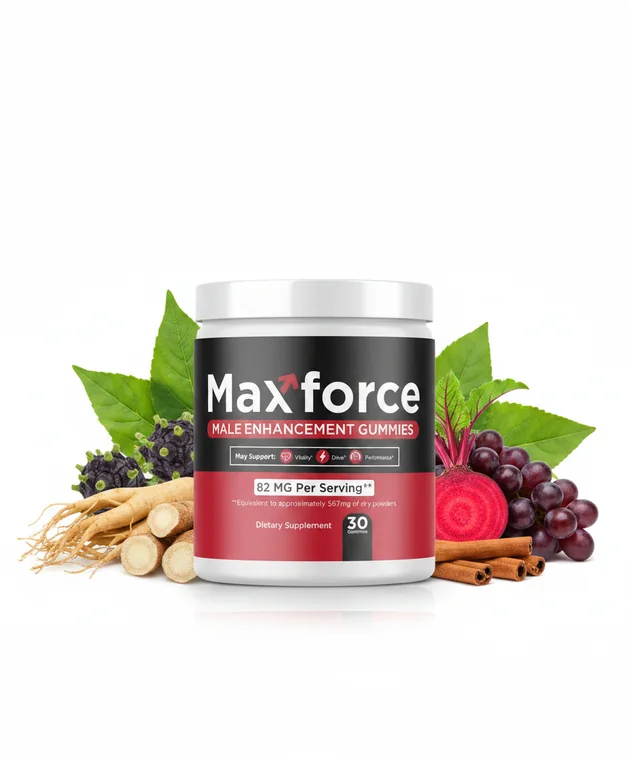
No. The MaxForce ingredient list names muira puama extract, maca extract, catuaba extract, ashwagandha and L-arginine. Tongkat ali is not among them. We are covering it here because it is the ingredient men most often search for when comparing men’s vitality products, and because knowing what is not in a formula is part of reading it honestly.
Where the quality problem sits
Tongkat ali extracts vary enormously in strength and standardisation, and the men’s category has a documented adulteration history: an analysis of supplements named in FDA public notifications found sexual enhancement products among the largest groups containing undeclared pharmaceutical ingredients, most often sildenafil or an analogue (Tucker et al., JAMA Netw Open, 2018). A review of herbal sexual enhancers also catalogues psychiatric and neurological adverse effects reported with plants in this class (Brunetti et al., Pharmaceuticals (Basel), 2020). If a tongkat ali product produces a fast, unmistakable, drug-like effect, that is a reason for suspicion rather than for satisfaction.
How to read a tongkat ali label
| On the label | What to look for |
|---|---|
| Plant part | Root. Stem and leaf are not what the trials used. |
| Extract type | Water-soluble extract, matching the studied preparations. |
| Standardisation | A named marker compound with a percentage, not just “extract”. |
| Amount | A per-ingredient milligram figure, not a blend total. |
| Claims | Structure/function wording. “Restores testosterone” is a drug claim. |
Do not use a botanical to self-treat a suspected hormone problem. If you have symptoms of low testosterone, the diagnosis requires two early-morning blood tests, not a supplement trial — see when those symptoms need a doctor rather than a jar.
Why “boosting” is the wrong frame
The word boost implies a dial that goes up when you push it. Testosterone does not behave like that. It is regulated by a feedback loop running between the hypothalamus, the pituitary and the testes, and that loop exists specifically to hold the level inside a range. Push the output up and the loop reduces its own signalling; take the pressure off and it returns. This is why exogenous testosterone suppresses the body’s own production, and it is also why a botanical that nudges one input rarely produces a durable shift in a healthy man whose loop is already working.
It also explains why the two most convincing results in this field come from men who were low to begin with. Restoring a suppressed system is a different task from raising a normal one, and the second has almost no supporting evidence. If your level has never been measured, you do not know which situation you are in — which is the argument for a blood test before a purchase, set out in how low testosterone is actually diagnosed.
Framed that way, the useful question about a botanical is not “how much will it raise my testosterone” but “what measurable thing did it change in a trial, and in whom”. For tongkat ali the honest answers are: the proportion of hypogonadal men reaching the normal range in an uncontrolled one-month study, and stress and mood scores in a four-week randomised one. Everything beyond that is inference.
Who should not take it
Anyone with a hormone-sensitive condition, anyone on hormone therapy, and anyone with liver or kidney disease should not take tongkat ali without medical advice. The same applies if you take medication of any kind: hand the ingredient name to a pharmacist. The wider interaction picture for this category is in side effects and safety of men’s vitality supplements, and the reasons a symptom deserves investigation before a purchase are in signs of low testosterone and when to see a doctor.
Frequently asked questions
Does tongkat ali actually raise testosterone?
The evidence is limited and mixed. A one-month study in men with late-onset hypogonadism reported that a substantial proportion moved into the normal testosterone range, but it had no placebo control. Systematic reviews of testosterone-boosting supplements as a class have found the overall evidence weak.
Is tongkat ali the same as tribulus or fenugreek?
No. They are unrelated plants with separate research literatures. Tongkat ali is the root of Eurycoma longifolia from Southeast Asia. Being grouped together in marketing copy does not make their evidence interchangeable.
Does MaxForce contain tongkat ali?
No. MaxForce names five ingredients on its jar: muira puama extract, maca extract, catuaba extract, ashwagandha and L-arginine. Tongkat ali is not one of them.
How long do tongkat ali trials run?
The main published human studies ran for about four weeks to one month. That is short by the standards of botanical research, which is one reason the findings should be treated as preliminary rather than established.
Check the current MaxForce label, price and guarantee
Package contents, price, shipping and the 60-day return window are set by the seller and can change without notice. Confirm them on the official order page before you buy.
Check Seller TermsReferences
- Tambi MI, Imran MK, Henkel RR. Standardised water-soluble extract of Eurycoma longifolia, Tongkat ali, as testosterone booster for managing men with late-onset hypogonadism? Andrologia. 2012. PubMed: 21671978
- Bhasin S, et al. Testosterone therapy in men with hypogonadism: an Endocrine Society clinical practice guideline. J Clin Endocrinol Metab. 2018. PubMed: 29562364
- Talbott SM, Talbott JA, George A, Pugh M. Effect of Tongkat Ali on stress hormones and psychological mood state in moderately stressed subjects. J Int Soc Sports Nutr. 2013. PubMed: 23705671
- Morgado A, et al. Do “testosterone boosters” really increase serum total testosterone? A systematic review. Int J Impot Res. 2024. PubMed: 37697053
- Balasubramanian A, et al. Testosterone imposters: an analysis of popular online testosterone boosting supplements. J Sex Med. 2019. PubMed: 30770069
- Tucker J, Fischer T, Upjohn L, Mazzera D, Kumar M. Unapproved pharmaceutical ingredients included in dietary supplements associated with US Food and Drug Administration warnings. JAMA Netw Open. 2018. PubMed: 30646238
- Brunetti P, et al. Pharmacology of herbal sexual enhancers: a review of psychiatric and neurological adverse effects. Pharmaceuticals (Basel). 2020. PubMed: 33066617
These references cover individual ingredients and men’s health generally. None tested the finished MaxForce gummy, which has no published trial of its own.