Natural ways to support testosterone: sleep, weight and training
Quick answer
The interventions with real evidence behind testosterone in healthy men are unglamorous: enough sleep, a healthy body weight, regular resistance and aerobic training, treating sleep apnoea, moderating alcohol, and correcting a genuine vitamin D deficiency. One week of restricted sleep alone was enough to lower daytime testosterone in young healthy men in a controlled study — a larger effect than most supplements have ever demonstrated.
If you want to support your own testosterone, the evidence points at your week rather than at your shopping basket. Here are the levers that have controlled human data behind them, ranked by how much they are likely to matter.
Sleep is the biggest single lever
Testosterone is released largely during sleep, and the release tracks sleep duration. In a controlled study, young healthy men restricted to about five hours in bed for one week showed a measurable fall in daytime testosterone compared with their own rested baseline (Leproult and Van Cauter, JAMA, 2011). One week. No supplement in this category has produced a comparable, replicated effect in healthy men.
If your sleep is short because of untreated obstructive sleep apnoea, that is worth pursuing specifically: population data show associations between obstructive sleep apnoea and altered sex hormone levels in adult men (Ji et al., Sex Med, 2026). Snoring plus daytime sleepiness plus witnessed pauses in breathing is a referral, not a supplement problem.
Body weight is the second
Excess adipose tissue increases the conversion of testosterone to oestradiol and is one of the most consistent correlates of low testosterone in men. An umbrella review of systematic reviews and meta-analyses examined what happens to sex hormones when men lose weight, across diet, exercise and surgical interventions (Nayak et al., Endocr Pract, 2026). The direction of the finding is consistent: weight loss moves the hormone picture in men, and the more weight lost, the more it moves.
Training: both kinds, for different reasons
Resistance training is the classic recommendation, and it earns its place through body composition and insulin sensitivity rather than through an acute post-workout hormone spike, which is transient and of doubtful significance. Aerobic training earns its place through the blood vessels: a systematic review and meta-analysis of randomised trials found aerobic exercise improved erectile function scores (Khera et al., J Sex Med, 2023), and a wider meta-analysis of lifestyle interventions for erectile dysfunction found the same (Li et al., J Sex Med, 2026). The mechanism there overlaps directly with the nitric-oxide pathway that supplements target, which is worth sitting with: the exercise evidence for that pathway is stronger than the supplement evidence for it. If that outcome is the reason you are reading, the full picture is in the overlap between bedroom stamina and cardio fitness.
Vitamin D, if you are actually deficient
Vitamin D is the one micronutrient with a serious testosterone literature, and the honest summary is qualified. A systematic review and meta-analysis of randomised controlled trials examined vitamin D supplementation, total testosterone and androgen bioavailability markers in adult men (Páez-Allendes et al., Nutrients, 2026). Correcting a documented deficiency is worth doing on its own merits. Taking vitamin D when your level is already adequate is not a testosterone strategy.
Alcohol, stress and the things that are harder to change
Heavy alcohol intake suppresses testicular function; the effect is dose-dependent and the fix is arithmetic. Chronic stress raises cortisol, which interacts with the same axis, and stress is also the outcome with the most supportive supplement data — ashwagandha’s randomised trials measure perceived stress and sleep rather than hormones (Cheah et al., PLoS One, 2021). That is a legitimate, narrow role for a supplement, and it is set out honestly in what the maca and ashwagandha trials actually found.
Ranked by likely effect size
| Lever | Evidence | Effort |
|---|---|---|
| Sleep 7–9 hours consistently | Controlled experimental data in healthy men | High, and free |
| Lose excess weight | Umbrella review of systematic reviews | High |
| Treat sleep apnoea | Population association data; treatable condition | Medium — needs a referral |
| Resistance and aerobic training | Randomised trials, strongest for erectile function | Medium |
| Correct vitamin D deficiency | Meta-analysis of RCTs; matters if deficient | Low, needs a blood test |
| Reduce alcohol | Dose-dependent suppression | Variable |
| Botanical supplement | Small trials, mostly on stress and desire | Low |
None of this replaces a diagnosis. If you have symptoms of low testosterone, the diagnosis is two early-morning blood tests interpreted by a doctor, and the causes worth excluding are medical.
A twelve-week version you can actually follow
Twelve weeks is the useful unit here, because it is long enough for body composition and sleep debt to change and it matches the length of the botanical trials you would otherwise be comparing against.
- Weeks 1–2: fix the bedtime, not the wake time. Move lights-out earlier by thirty minutes and hold it. Most men have a sleep opportunity problem rather than a sleep quality problem.
- Week 2: get bloods done. If symptoms are real, ask for two early-morning total testosterone samples, plus thyroid function, HbA1c, ferritin and vitamin D. You now have a baseline instead of a guess.
- Weeks 2–12: three sessions a week. Two resistance sessions covering the whole body, one aerobic session long enough to be uncomfortable. Progression matters more than the programme.
- Weeks 1–12: cap the alcohol. Pick a weekly number, write it down and count. This is the single change most men refuse and most benefit from.
- Week 6: check the snoring question. If your partner reports pauses in breathing, ask for a sleep study rather than waiting to week 12.
- Week 12: re-measure. Same tests, same morning timing, and compare against the baseline rather than against how you feel.
Run a supplement alongside that if you want to. Just keep it in the position the evidence puts it in: a small addition to a plan, not the plan.
Where a supplement honestly fits
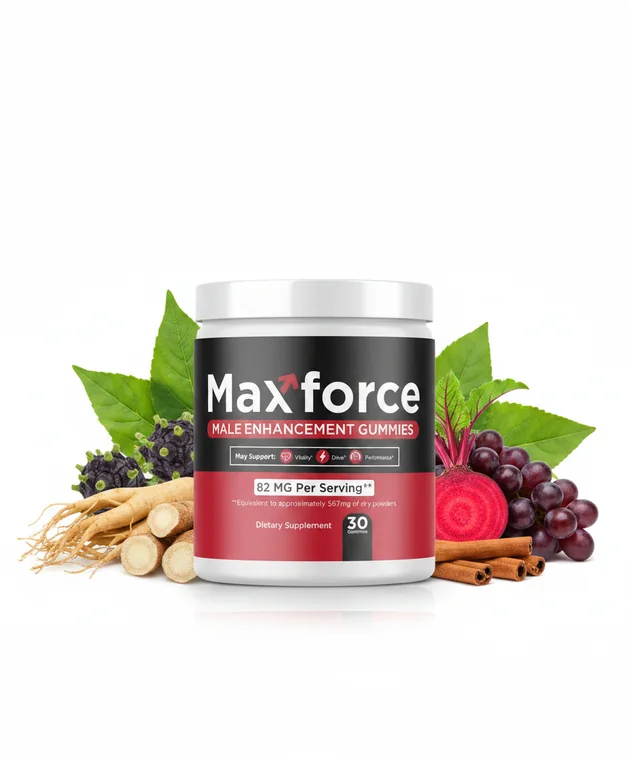
Last, and small. A once-daily formula such as MaxForce — five named ingredients at a combined 82 mg per serving, equivalent to approximately 567 mg of dry powders — is a nutritional support product, not a hormonal intervention, and it has no clinical trial of its own. Taken alongside the levers above it costs little and may support the stress and sleep side. Taken instead of them, it is the most expensive way to change nothing. What the general evidence says about the category is in do testosterone boosters actually work, and the timeline to judge one is in how long a men’s supplement takes to work.
Frequently asked questions
What is the fastest natural way to raise testosterone?
There is no fast way, but the fastest measurable one is sleep. In a controlled study, restricting young healthy men to about five hours in bed for a single week lowered their daytime testosterone against their own rested baseline. Recovering lost sleep is the only lever on this list that can move within days.
Does exercise raise testosterone?
Training produces a short-lived rise immediately after a session that has little long-term meaning. The durable benefit comes indirectly, through body composition, insulin sensitivity and vascular function. Aerobic training has the strongest randomised evidence for improving erectile function specifically.
Should I take vitamin D to raise testosterone?
Only if you are deficient. Correcting a documented vitamin D deficiency is worthwhile in its own right and has been studied in relation to testosterone. Supplementing when your level is already adequate is not a testosterone strategy. Get the blood test before the bottle.
Can a supplement replace sleep and weight loss?
No. The effect sizes are not comparable. Sleep restriction and excess body weight have controlled and pooled human evidence behind their effect on male hormones; men's vitality supplements have small trials mostly measuring perceived stress and self-reported desire.
Check the current MaxForce label, price and guarantee
Package contents, price, shipping and the 60-day return window are set by the seller and can change without notice. Confirm them on the official order page before you buy.
Check Seller TermsReferences
- Leproult R, Van Cauter E. Effect of 1 week of sleep restriction on testosterone levels in young healthy men. JAMA. 2011. PubMed: 21632481
- Ji Y, et al. Association between obstructive sleep apnea and sex hormones in U.S. adult males: a population-based study. Sex Med. 2026. PubMed: 42266362
- Nayak SS, et al. The effect of weight loss and weight loss interventions on sex hormones: an umbrella review of systematic reviews and meta-analyses. Endocr Pract. 2026. PubMed: 41167564
- Khera M, et al. Effect of aerobic exercise on erectile function: systematic review and meta-analysis of randomized controlled trials. J Sex Med. 2023. PubMed: 37814532
- Li T, et al. Efficacy of lifestyle interventions in treating erectile dysfunction: a systematic review and meta-analysis of randomized controlled trials. J Sex Med. 2026. PubMed: 42143598
- Páez-Allendes L, et al. Vitamin D supplementation, total testosterone, and androgen bioavailability markers in adult men: a systematic review and meta-analysis of randomized controlled trials. Nutrients. 2026. PubMed: 42451097
- Cheah KL, Norhayati MN, Husniati Yaacob L, Abdul Rahman R. Effect of Ashwagandha (Withania somnifera) extract on sleep: a systematic review and meta-analysis. PLoS One. 2021. PubMed: 34559859
These references cover individual ingredients and men’s health generally. None tested the finished MaxForce gummy, which has no published trial of its own.